
Heritage Restoration
Heritage restoration involves carefully repairing or rebuilding parts of a building to reflect its original period or historic appearance. This can include using new or salvaged stone, or carrying out targeted repairs to preserve the existing fabric.
We clean surfaces using gentle techniques, such as conservator’s brushes with water, to remove dirt and CO₂ staining, while more stubborn deposits can be treated with a Thermatech DOFF system — a high-temperature, high-pressure steam cleaning method. Once cleaned, any cracks or damaged areas are repaired using traditional mortar techniques or stone replacement, restoring the stone and surrounding structure to its original condition.
Traditional Lime Work
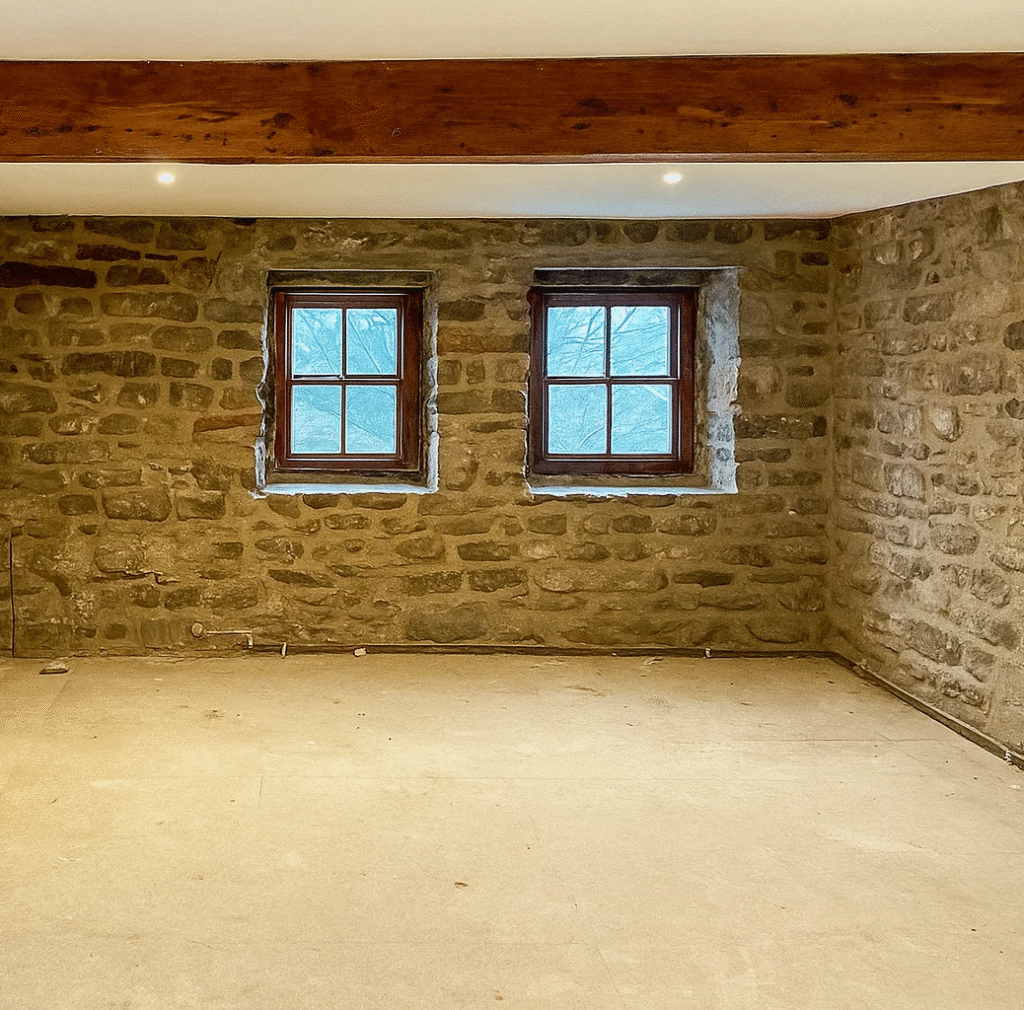
We use traditional stonemasonry techniques to restore buildings to their original appearance and integrity. This often involves removing cement repairs and reintroducing lime-based materials, carefully matching the sands and additives to suit the building.
For walls and areas requiring additional strength, we use NHL2 hydraulic lime, while lime putty mixed with selected sands is applied where maximum breathability is needed. Our team takes pride in our expertise with historic lime buildings, ensuring every repair respects the structure’s heritage while maintaining durability and performance.
Historic Restoration
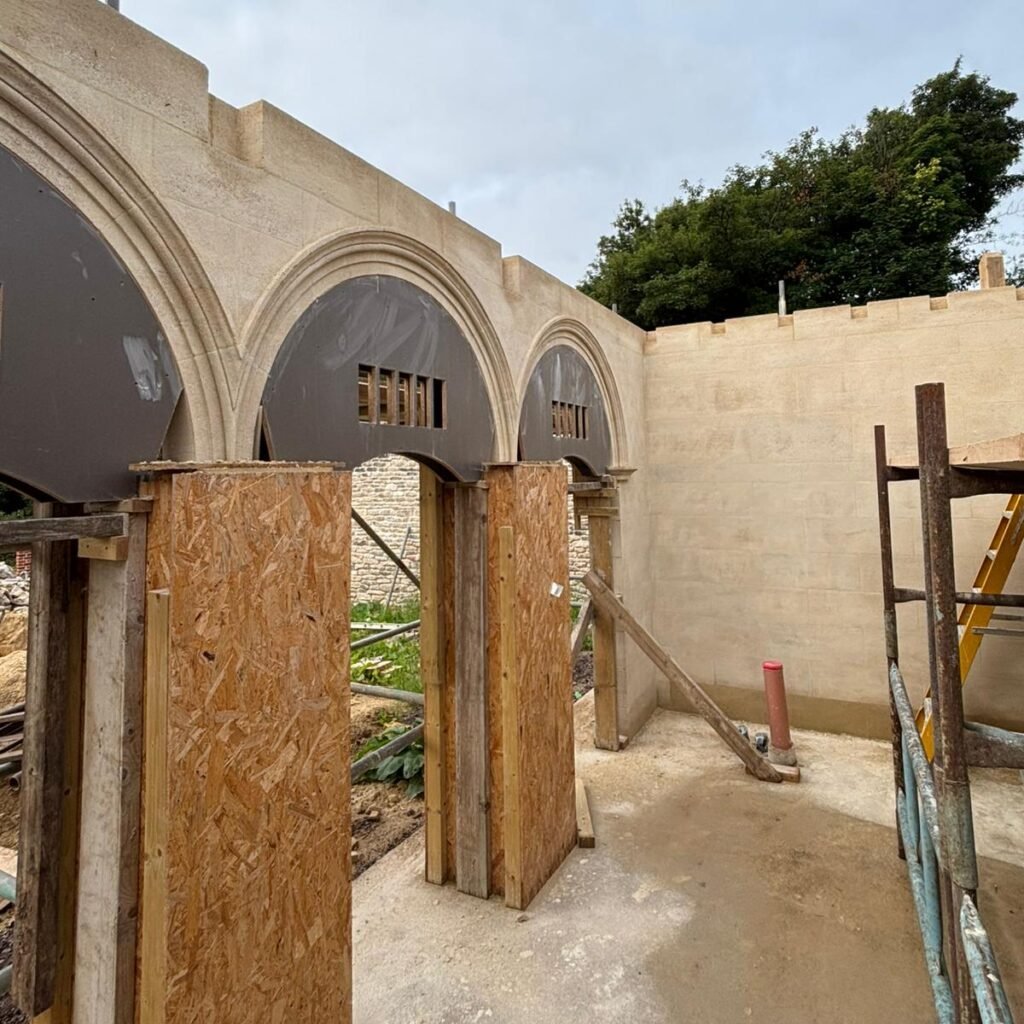
Historic restoration involves carefully repairing and returning a building to its original condition. By using traditional materials and techniques, we can bring a ruin or weathered structure back to life, preserving its historic character. The goal is not to alter the building in any way but to clean, repair, and restore it, ensuring it reflects the way it once was while maintaining structural integrity and authenticity.
Listed Building Repairs
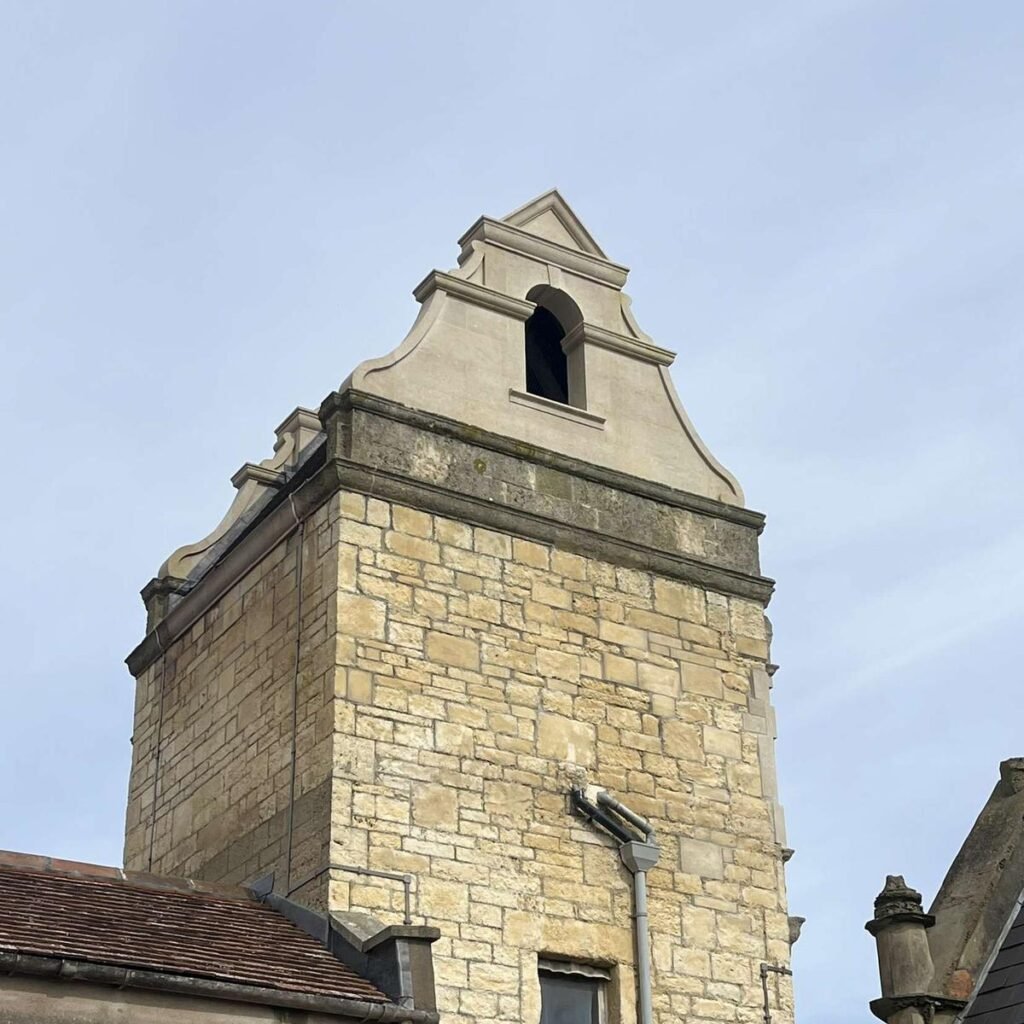
Many historic buildings in the UK are protected by Historic England, which classifies them into grades 1, 2*, and 2 — with Grade 1 buildings receiving the highest level of protection. These classifications reflect the building’s architectural and historical significance, and any work on a listed building must comply with strict regulations.
At Mendip Stonemasons, we carry out listed building work using traditional methods to ensure that the structure and its special features are preserved. We take great care to restore these buildings as authentically as possible, matching original materials and craftsmanship to maintain both their heritage and integrity.
Structural Heritage Repairs
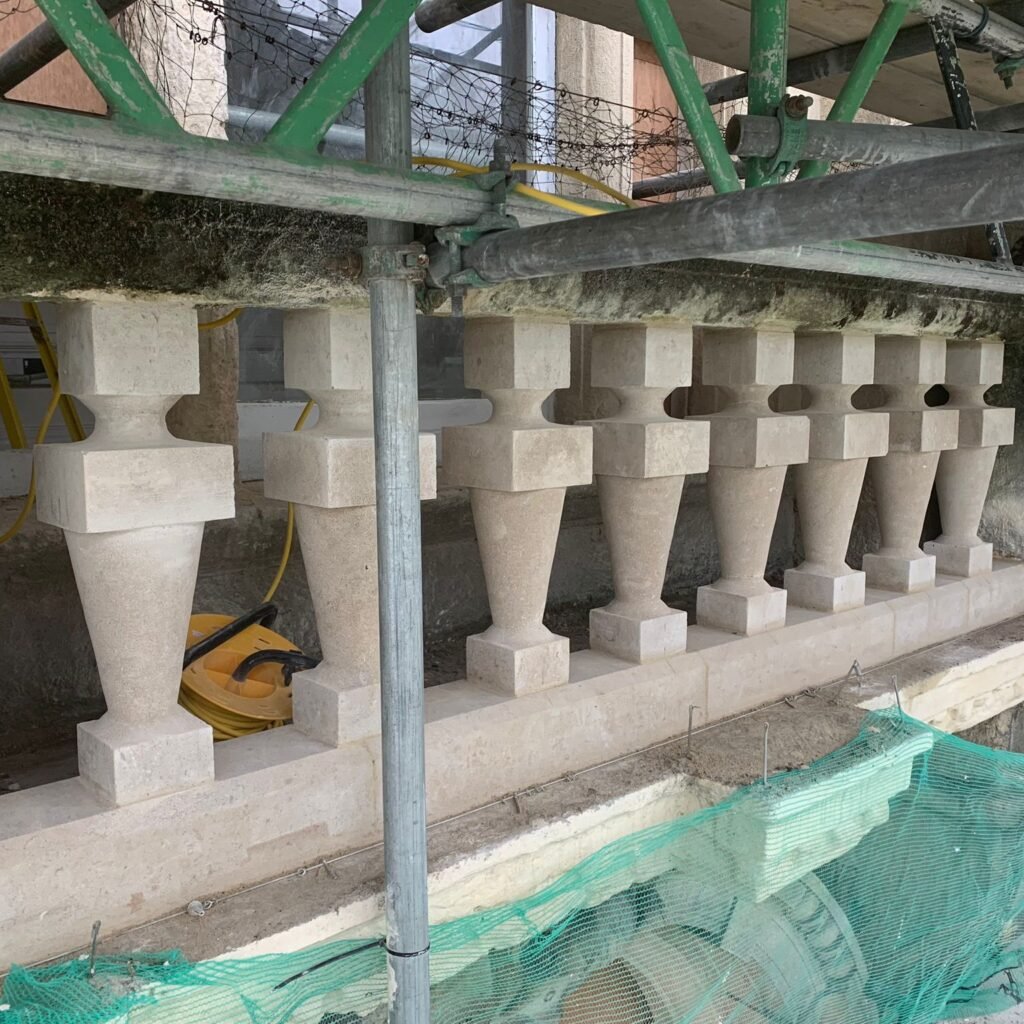
When carrying out load-bearing repairs on historic or listed buildings, protecting the heritage of the structure is always our priority. In some cases, this requires carefully dismantling areas that are not visibly damaged to ensure the integrity of the repair.
We meticulously document each stone with photographs and numbering, allowing every piece to be replaced exactly as it was. Any damaged stones are replaced like-for-like, ensuring that structural repairs maintain both the strength and historical authenticity of the building.
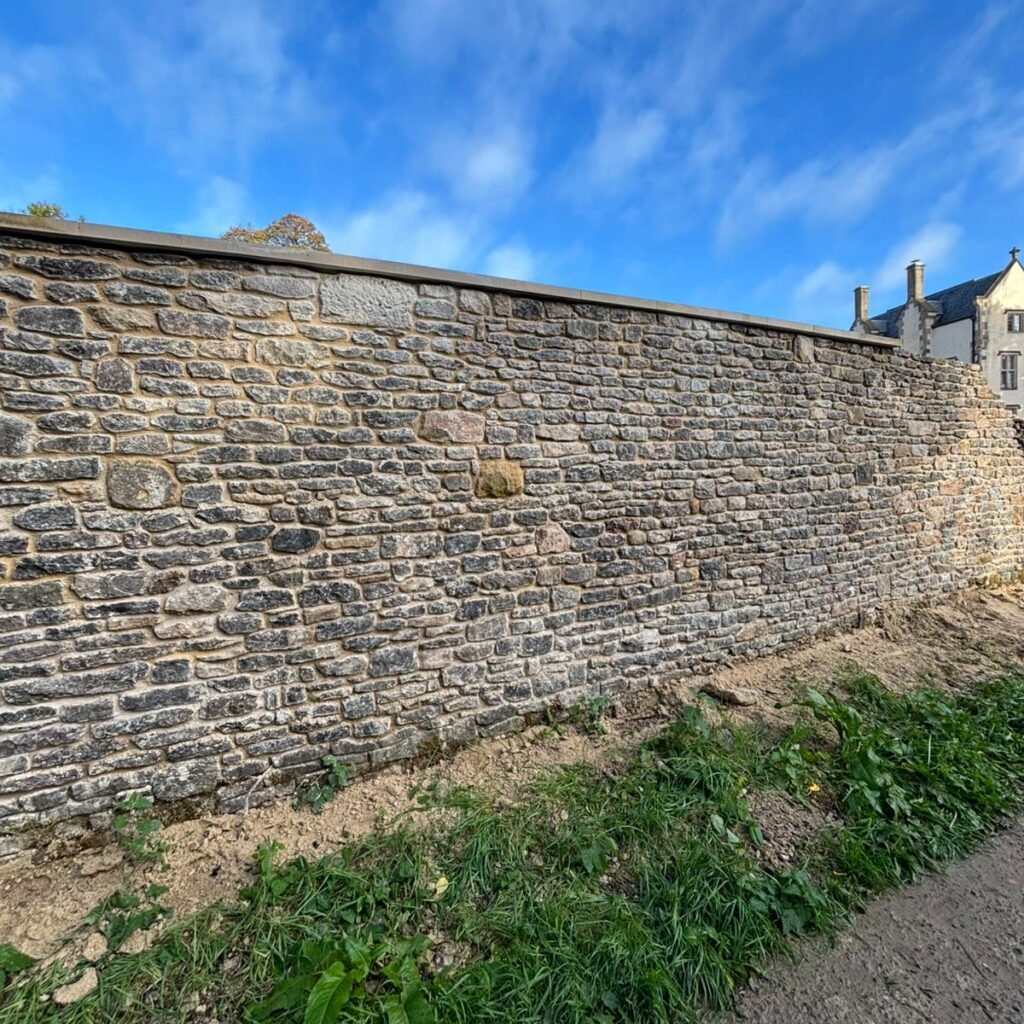
Historic Walling & Boundary Restoration
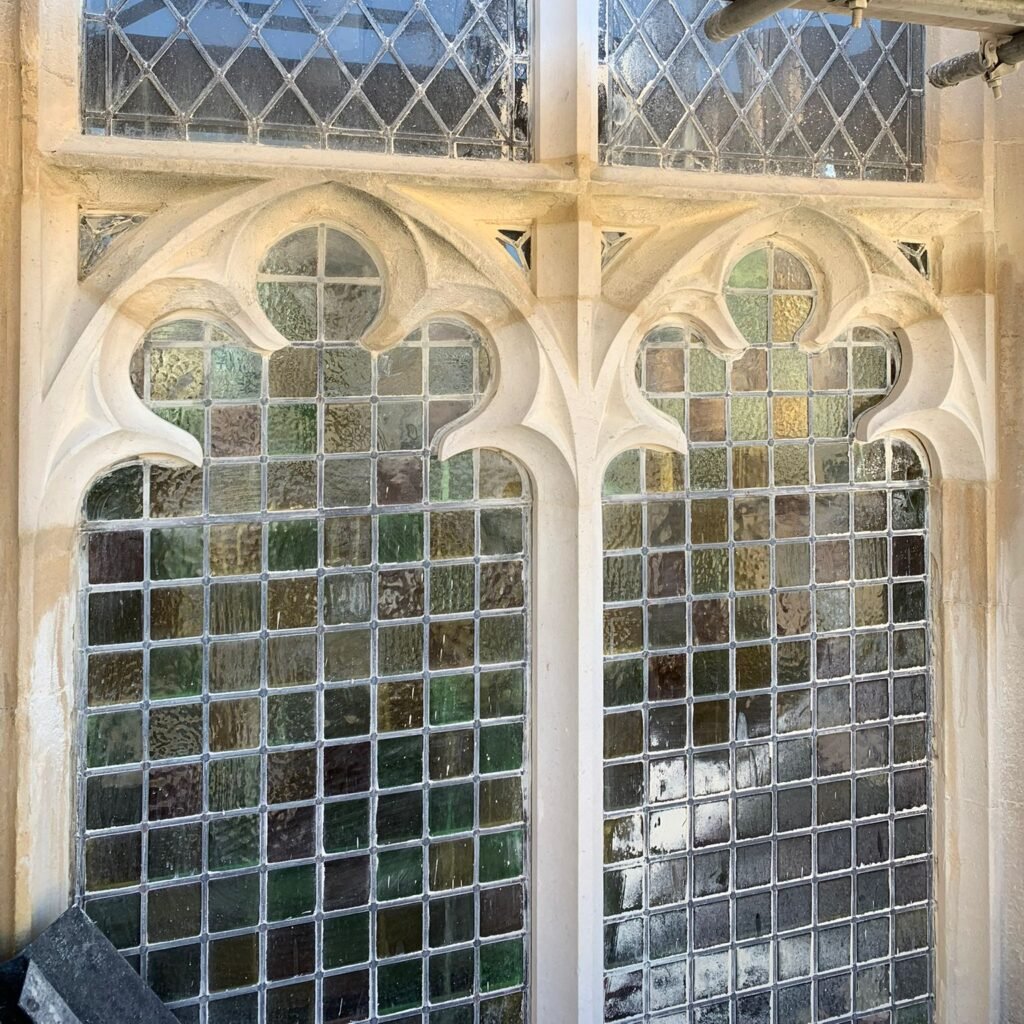
Stone Window & Door Restoration
Stone window and door surrounds are often vulnerable to delamination and weathering due to exposure and regular use. Where possible, we carry out full stone replacements for a long-term, durable solution. In other cases, carefully executed mortar repairs preserve the original fabric.
When windows or glazing need replacing, a stonemason often attends to ensure any surrounding stonework is repaired, particularly if ironwork has been removed. Windows and doors are frequently the most architecturally detailed areas of a building, and we take great care to restore these features, maintaining their historic character and visual impact.
FAQ's
What is heritage stone restoration?
Historic restoration involves carefully repairing and returning a building to its original condition. Using traditional materials and techniques, we can bring a ruin or weathered structure back to life, preserving its historic character. The goal is not to alter the building but to clean, repair, and restore it, ensuring it reflects the way it once was while maintaining structural integrity and authenticity.
Can you work on Grade II, Grade II and Grade I listed buildings in Somerset?
Yes, we have extensive experience working on Grade I, II*, and II listed buildings across Somerset. All work on listed properties is carried out using traditional methods and materials, ensuring the building’s historic character is preserved. We follow all necessary permissions and guidelines so that every repair or restoration is sympathetic to the original structure.
Do I need listed building consent for stone repairs or restoration work?
Yes, listed building consent is generally required for any stone repairs or restoration work on a protected property. This ensures that all work is carried out in a way that preserves the building’s historic character and complies with legal and heritage regulations. At Mendip Stonemasons, we work closely with clients and heritage authorities to carry out repairs using traditional methods and materials, maintaining both authenticity and structural integrity.
How do you approach lime mortar repointing on historic buildings?
When repointing historic stonework, we carefully rake out the old mortar using tools that will not damage the surrounding stone. The removed mortar is examined to identify the type of sand, aggregates, and any traditional additives, such as fuel ash, to ensure an accurate match.
The area is then wetted, and the new lime mortar is applied and pressed into the joints. We cover the work with hessian to control drying and carefully tend it over time, tamping and brushing with a churn brush to eliminate shrinkage and achieve a durable, historically accurate finish. This method preserves the integrity and breathability of the building while maintaining its original appearance.
Can you re-carve or replicate damaged architectural features on older buildings?
Yes, we can replicate or re-carve any stone feature on a historic building. Using templates and detailed measurements from the original, our skilled stonemasons carve new pieces to match the existing architectural elements precisely. This ensures that restored features maintain the building’s historic character and visual integrity while blending seamlessly with the surrounding stonework.
What causes stone decay in older properties, and how can it be prevented?
The main cause of stone decay in older buildings is water — whether from rainfall, poorly positioned or leaking guttering, or trapped moisture. Other factors include the use of incompatible materials, such as cement or non-breathable paints and sealants, which can prevent the stone from naturally breathing and accelerate deterioration.
Prevention involves regular maintenance, using traditional, breathable materials like lime mortar, proper pointing, and ensuring effective water management. By addressing water ingress and avoiding incompatible materials, the longevity and appearance of historic stonework can be preserved.
Trustindex verifies that the original source of the review is Google. I used Mendip Stonemasons when a car unfortunately drove into my mother's driveway wall. They were quick to respond and fixed the damage the next day! They removed the excess stone and were very careful to ensure that the repaired wall was fitted with an exact likeness to the old stone. I would highly recommend them.Trustindex verifies that the original source of the review is Google. I have used Mendip Stonemasons on a number of projects and they have always delivered a great finish, on budget and on time.Trustindex verifies that the original source of the review is Google. Fantastic team, excellent workmanship, our stone wall building project was delivered on time and on budget and to a far better than expected standard. Highly recommended.Verified by TrustindexTrustindex verified badge is the Universal Symbol of Trust. Only the greatest companies can get the verified badge who has a review score above 4.5, based on customer reviews over the past 12 months. Read more